Peptide Vial Research: The Full Overview To Dealing With, Keeping, And Utilizing Study Peptides
4 min read
Peptide Security & Life Span HPLC divides components in a peptide sample based upon their chemical properties, mainly hydrophobicity. When a sample goes through the HPLC column, various substances elute at different times, producing distinctive heights on a chromatogram. Moisture, light direct exposure, and container integrity all influence long-term security. Some peptides dissolve better at somewhat acidic or basic pH. Again, certain guidance for your certain peptide takes priority over basic procedures. When opened, bacterial contamination risk becomes https://peptide-works.com prompt and serious.
Reconstitution Procedures
The web content, posts and product info offered on this web site are strictly academic and educational. They are intended to be used for in vitro research only. " In vitro" is a Latin phrase, "in glass," that refers to study that is conducted outside of a living microorganism. Keep in mind, these items are not drugs or medications and have actually not been accepted by the FDA for the medical diagnosis, treatment or avoidance of any ailments or problems. These products are legally prohibited from human or animal intake. Kisspeptin-10 solutions can generally be dealt with as regular chemical waste according to your institutional methods.
To reduce non-specific adsorption to the wall surfaces of storage vessels, criteria of peptides should be included directly to the diluent fluid rather ofthe sides of televisions or vials.
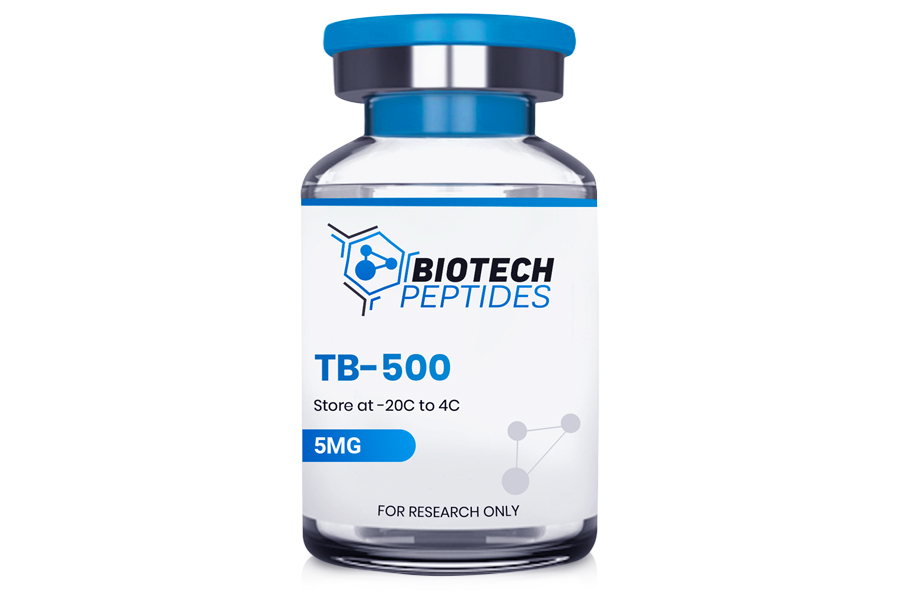
Peptide vials are commonly made use of in research laboratories for keeping lyophilized peptides.
They consist of substances like Sermorelin, Ipamorelin, CJC-1295, and various combinations.
Peptides are effective research tools that can open new discoveries in your lab.
The use of the stableisotope-labeled interior standard peptides assists in both of these goals, asdescribed below. Vendors and solution labs supplying AAA evaluations vary significantly intheir processes and quality assurance (QC). Prior to selecting an AAAservice carrier, it is strongly suggested to recognize the workflow, standardization, and quality assurance steps that remain in place. This criticalinformation is summarized in Table 5 anddiscussed in more information below. Peptide vials are frequently utilized in research laboratories for keeping lyophilized peptides. Nevertheless, inappropriate handling-- such as exposing peptides to dampness, storing at the incorrect temperatures, or recycling punctured vials beyond their risk-free period-- can jeopardize speculative outcomes. At greater concentrations, surface results end up being proportionally lesser. Oxygen dissolved in service and present in vial headspace drives these responses. Changing headspace air with inert gas slows down oxidation significantly. For applications requiring numerous withdrawals from a single vial, vial adapters eliminate duplicated stopper punctures. These tools affix to the vial once, producing a port for duplicated syringe gain access to without added needle sticks via rubber.
What cancels out peptides?
Salicylic acid''s exfoliating action may destabilize the peptides, lessening their skin-repairing advantages. Suggestion: To prevent any type of interaction, usage salicylic acid and peptide items at different times. As an example, integrate salicylic acid in your early morning regimen and peptides in your evening routine.
Kisspeptin Storage And Taking Care Of For Laboratory Use
Reconstituted peptide security varies, however many need to not be utilized beyond 5-- 7 days, also under refrigeration [1,2] Constantly speak with supplier instructions for ideal peptide reconstitution conditions and timelines. Proper peptide storage space issues since temperature, moisture, light exposure, freeze-thaw biking, and dealing with uniformity can all affect stability gradually. Whether you're collaborating with lyophilized powders or reconstituted services, recognizing the factors that affect peptide security will assist you make the most of the lifespan and efficiency of your research study products. It may also be made use of for integrity and deterioration product evaluation by analytical strategies such as mass spectrometry, chromatography, and various spectroscopic approaches. Reconstitution in remedy makes peptides more susceptible to hydrolysis. To lessen this danger, use the reconstituted peptide quickly or consider aliquoting into smaller sized portions for future use. This method boosts stability and efficacy of a peptide remedy by stopping its direct exposure to moisture multiple times. The Luer-Lock connection avoids unintentional needle detachment throughout usage. The aluminum kink cap holds the stopper securely versus the glass vial. This seal avoids atmospheric exposure and preserves the partial vacuum cleaner created during lyophilization.
Visual Assessment Of Peptide High Quality
The benzyl alcohol concentration positions no poisoning problems at the quantities involved in peptide research. Inside that vial, the lyophilized peptide creates a particular "cake" or "plug" of material. A well-manufactured peptide cake appears white to off-white, fluffy, and attire. Some peptides create loosened powder rather than a solid cake. What matters is uniformity and the absence of staining. Injecting rubber fragments produces apparent security problems. Also particles that do not trigger prompt troubles concession remedy sterility. Peptides targeting skin tightening up, hair development, and various other visual results commonly use various distribution methods than injectable research peptides.